Ship Painter Jobs
Unfortunately, nothing was found as per your request
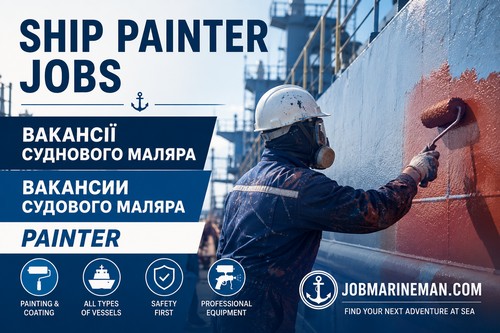
Current Ship Painter vacancies are available on tankers, container vessels, bulk carriers, FPSO units, and cruise ships. JobMarineMan helps seafarers find direct employment with shipowners — without intermediaries or agency commissions.
What Does a Ship Painter Do?
A Ship Painter is responsible for maintaining and protecting vessel structures from corrosion and environmental damage. Salt water, UV exposure, temperature changes, aggressive cargoes, and constant vibration create severe conditions for steel structures at sea.
Without proper coating maintenance, the vessel’s condition deteriorates rapidly. That is why marine painters are essential for preserving hull integrity and extending vessel lifespan.
On smaller vessels, painting duties are often handled by AB Seamen or the Bosun. Dedicated Painter positions are typically found on larger ships where coating maintenance requires a full-time specialist.
Onboard, the Painter usually works within the Deck Department and reports to the Bosun and Chief Officer. On FPSO units and cruise vessels, the Painter may be part of a separate maintenance team.
Painter and Bosun: Difference in Responsibilities
The Bosun supervises the deck crew and organizes maintenance schedules, while the Painter performs coating preparation and application tasks directly.
The Painter works with airless spray equipment, controls coating thickness, prepares surfaces, and ensures coating quality according to vessel maintenance standards.
Bosun Vacancies
Main Duties of a Ship Painter
Surface Preparation
Surface preparation is the most important stage of coating work. Marine painters perform:
- Chipping
- Needle gunning
- Grinding
- Abrasive blasting
- Manual cleaning with scrapers and wire brushes
Painters must understand ISO 8501 and SSPC standards, including Sa 2½ and Sa 3 surface preparation grades.
Coating Application
Ship Painters apply coatings using airless spray systems, rollers, and brushes.
Common marine coatings include:
- Epoxy primers
- Zinc silicate primers
- Polyurethane topcoats
- Antifouling coatings
- Glass flake epoxy
- Specialized tank coatings
Painters also control WFT and DFT measurements using Elcometer or PosiTector devices.
Hull Preservation
Marine painters maintain coatings on hull structures, decks, hatch coamings, superstructures, and steel constructions.
Large vessels may have tens of thousands of square meters of coated surfaces.
Tank Coating
Painters may work inside ballast tanks, cargo tanks, cofferdams, forepeak, and aft peak spaces.
This work requires:
- Enclosed Space Entry Permit
- Atmosphere monitoring
- Ventilation systems
- Safety procedures and buddy systems
Pipe Painting and Marking
Ship Painters perform pipeline coating and color marking according to ISO 14726 standards.
This is important for PSC inspections, SIRE 2.0 requirements, and internal shipowner audits.
Drydock Painting
Drydock periods involve large-scale coating projects including hull blasting, underwater hull painting, antifouling renewal, and coating repairs.
Drydock experience is highly valued by shipowners.
Equipment Maintenance
Painters maintain spray guns, compressors, hoses, filters, nozzles, respirators, and protective equipment.
Marine Coating Materials
Marine painters work with coating systems from manufacturers such as:
- Jotun
- Hempel
- International
- Sigma Coatings
- PPG
- Chugoku Marine Paints
Painters must follow coating schedules, understand technical specifications, and comply with curing and overcoating intervals.
Safety Requirements
Ship Painter jobs involve increased occupational risk.
Enclosed Space Entry
Tank work requires gas measurements, ventilation, rescue systems, and enclosed space permits.
VOC Exposure
Marine coatings release toxic vapors. Respirators, forced ventilation, and exposure control are mandatory.
Working at Height
Painters frequently work on masts, funnels, and superstructures using scaffolding, safety harnesses, or bosun’s chairs.
Hot Work Risk
Grinding and surface preparation may generate sparks. Tanker operations require strict hot work control and atmosphere testing.
Vessel Types and Working Conditions
Tanker Fleet
Tankers generate the highest demand for marine painters. Work includes cargo tanks, ballast tanks, deck structures, and coating maintenance.
Experience with SIRE 2.0 preparation and tank coating systems is highly valued.
Average salary: $2,000–3,000 per month.
Bulk Carriers and Container Ships
On bulkers, painters maintain hold coatings, ballast tanks, and deck areas. On container vessels, work includes cell guides, hatch coamings, and deck structures.
Average salary: $1,500–2,500 per month.
FPSO and Offshore Fleet
FPSO units require continuous coating maintenance due to aggressive offshore conditions and splash zones.
Offshore Painter positions often operate on 28/28 rotations.
Average salary: $2,500–3,500 per month.
Cruise Ships
Cruise vessels require both technical and decorative painting work including passenger areas, decks, pools, restaurants, and superstructures.
Average salary: $2,000–3,200 per month.
Ship Painter Salary
Ship Painter is a skilled rating position. Salary depends on vessel type, project volume, experience, and company standards.
Typical salary ranges:
- Bulk carriers and general cargo: $1,500–2,500/month
- Tankers: $2,000–3,000/month
- Container vessels: $1,800–2,500/month
- Cruise ships: $2,000–3,200/month
- FPSO and offshore fleet: $2,500–3,500/month
View Ship Painter Jobs with Salaries
Requirements and Certificates
Most companies require:
- Professional painter qualification
- STCW Basic Safety Training
- Designated Security Duties
- Enclosed Space Entry Training
- Working at Height Certificate
- Airless spray experience
- Knowledge of ISO 8501, IMO PSPC, and ISO 14726
- Tanker endorsement for tanker fleet
NACE CIP Level 1/2 or SSPC certification is a major advantage.
Seafarers with industrial painting, corrosion protection, or blasting experience ashore can transition into maritime positions after completing STCW training.
Career Path for Ship Painters
How to Start
Many marine painters enter the industry from:
- Industrial painting
- Corrosion protection projects
- Abrasive blasting
- Airless spray operations
- Deck crew positions
- Wiper positions with maintenance experience
AB Seaman Vacancies
Wiper Vacancies
Career Growth Opportunities
Experienced painters may progress to:
- Bosun
- Painting Supervisor
- Painting Foreman
- Coating Inspector
- Painting Superintendent
NACE CIP Level 2/3 certification significantly increases shore-based career opportunities.
How to Choose a Ship Painter Vacancy
Before accepting a contract, consider:
- Vessel type
- Coating workload
- Vessel age
- Airless spray equipment availability
- Planned drydock schedule
- Hull condition
- Shipowner reputation
- Contract duration and salary
You can verify vessel information using the vessel database.
You can also review the shipowner profile before applying.
Find Ship Painter Jobs Through JobMarineMan
JobMarineMan connects seafarers directly with verified shipowners and fleet managers.
Platform advantages include:
- Direct hiring
- No agency fees
- Verified employers
- Vacancies across all fleet types
- Online CV submission
- Access to vessel and shipowner databases
Upload Your CV and Contact Shipowners Directly
FAQ — Ship Painter Jobs
What does a Ship Painter do onboard?
A Ship Painter prepares surfaces, performs blasting and grinding, applies marine coatings, maintains hull structures, tanks, decks, and pipelines, and controls coating quality.
What certificates are required?
Most employers require professional painter qualifications, STCW certificates, enclosed space training, and working at height certification.
How much does a Ship Painter earn?
Typical salaries range from $1,500 to $3,500 per month depending on vessel type and experience.
Can industrial painters work at sea?
Yes. Industrial painters with blasting, corrosion protection, and airless spray experience are highly востребованы in the maritime industry after completing STCW training.
Which vessels hire dedicated painters?
Dedicated Painter positions are common on tankers, FPSO units, offshore vessels, container ships, bulk carriers, and cruise ships.
What is IMO PSPC?
IMO PSPC stands for Performance Standard for Protective Coatings — an international standard regulating ballast tank coating systems.
Career opportunities after Painter?
Possible career growth includes Bosun, Painting Supervisor, Coating Inspector, or Painting Superintendent positions.
What rotations are common?
Typical contracts:
- Tankers and bulkers: 6–9 months
- Cruise ships: 4–6 months
- FPSO/offshore: 28/28 rotations
How to apply quickly?
Upload your CV through JobMarineMan and apply directly to verified shipowners.
Related Maritime Vacancies
Bosun Jobs
AB Seaman Jobs
Fitter Jobs
Wiper Jobs
Plumber Jobs